
Last spring, as I was in the midst of writing my research paper on the constitutions of the ROC and the PRC (read about it in [this] blog!), an opportunity came up to help lead a school-wide, open-ended discussion symposium. My mind was full of questions about power, participation, and disparities between how systems presented themselves versus their actual functions. I’d been thinking a lot about the gap between form and function: how words such as “freedom” and “democracy” can be written into documents but stripped of meaning by other factors. What are these other factors and how do they work? What does this all mean for the people and products of these systems?
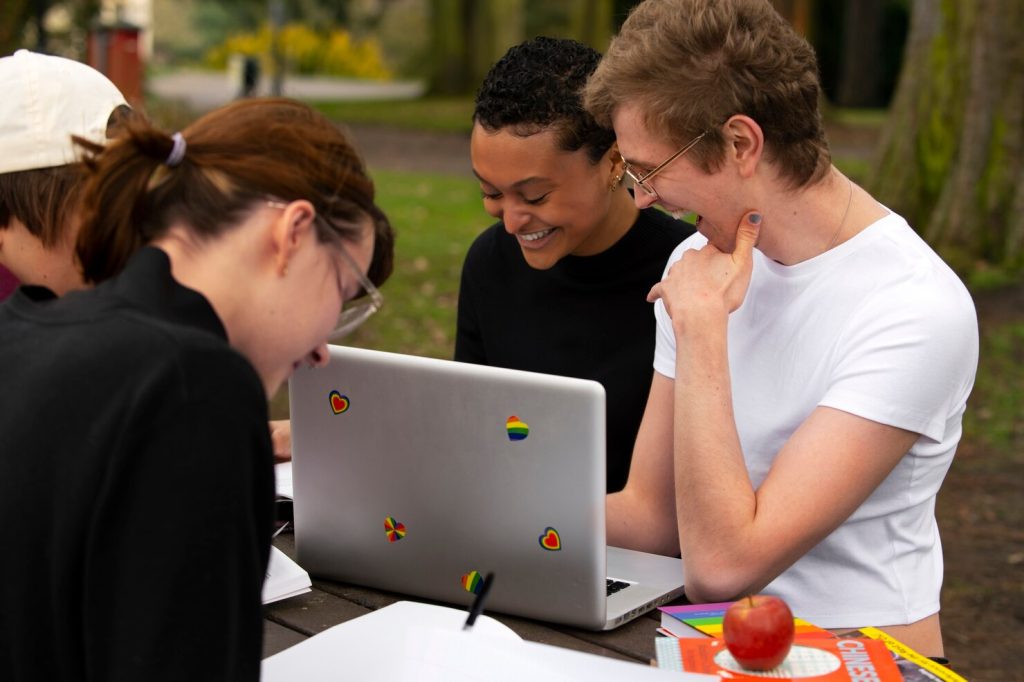
I decided to take the opportunity and do my own little social experiment. (For ethical purposes: this was not a real experiment, nor was any data being recorded at all. It was just an informal mind-puzzle I decided to play out in real time, using myself as both the variable and the constant.) I had two different groups in the symposium with the same overall guidelines provided by the school. My instructions were to moderate and guide the discussion, keeping time and making sure everything went smoothly in general.
Constant:
In both groups, I had a clear outcome in mind. I wanted the discussion to veer toward one topic and end by agreeing with a thesis I’d already sketched out in my head. The only difference in the two groups was how I went about reaching the goal end. Both groups also knew that I was the discussion leader.
Group 1:
I prepared a lot for this first group, planning discussion points and speaking times down to the seconds. I printed out the guidelines for each person, making sure that no question was overtly leading but there was definitely a theme. (For example: Discuss an issue you’ve seen at school this year. go around in a circle, each person speaks for 40 secs.) I myself took a step away from the conversation and acted more as an onlooker, not interfering or joining the conversation much. The session was a success. It was a productive discussion, but I could see that the outcome was artificial. I’d used my presence as the facilitator and time-keeper as a form of almost invisible influence- even though the others were the ones actually participating in discussion, it was incredibly easy to direct the entire conversation from a point of perceived ‘power’.
Group 2:
I kept pretty much the same structure: the guiding questions, desired outcome, and structure of discussion were similar. However, instead of remaining outside the discussion as a silent facilitator, I stepped in as more of a participant. I didn’t prepare any papers to pass out this time; I embedded my discussion questions into the conversation, presenting them more as personal thoughts. On the surface, it was much more casual and natural; I was still shaping the entire conversation from within through tone, phrasing, and timing.
Conclusions:
In the end, both discussions reached the same approximate conclusions. However, after the symposium ended and my school ran a quick survey for each group, their answers differed greatly. The first group was generally pretty stiff, using more formal language (like one would use in a short answer question for school), and several people said they weren’t sure about how their comments ‘fit’ into the overall discussion. The second group, on the other hand, described the conversation as engaging and thought provoking. Many mentioned coming out of the symposium having learned something new. The types of responses to their surveys reflected how I felt the discussion groups had gone- one was obviously streamlined while the other was more genuine and deep. This experience overall showed me that while overt outcomes can look similar, how it’s guided has a massive impact on the quality of thinking it produces and how participants behave in the wake of it.