
What drives a revolution: ideology, leadership, or mass psychology?
China and Iran both staged dramatic revolutions to cast off foreign domination and reinvent national identity in 1949 and 1979, respectively. Both aimed to do so through education, propaganda, and ideology. Both used youth movements and schools as primary tools to shape the next generations.
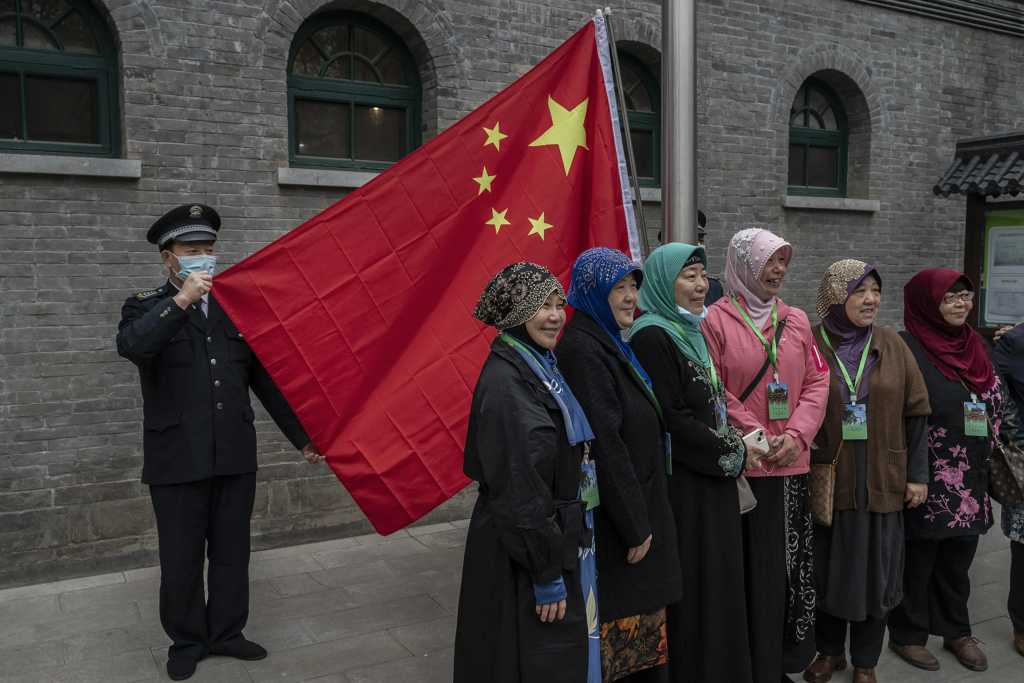
China has a long legacy of Confucianism, an ethical philosophy based on harmony, discipline, and loyalty, that has reached across class lines and structured the government for years. Though Marxism seemingly contradicted some ideologies of Confucianism, Mao Zedong’s revolution subtly fused the two. Propaganda posters were full of bright colors and channeled positive values like hard work, family loyalty, and filial piety. The Red Guard, a militant group consisting of youth and female groups, made speeches emphasizing unity and practical labor. Even education was reshaped: instead of simply spreading ideologies, it physically changed the system to physically engage students through hands-on, politically infused work. The result was a revolution in which all generations and types of people felt a part of.
https://chineseposters.net/sites/default/files/images/g1-962.jpg
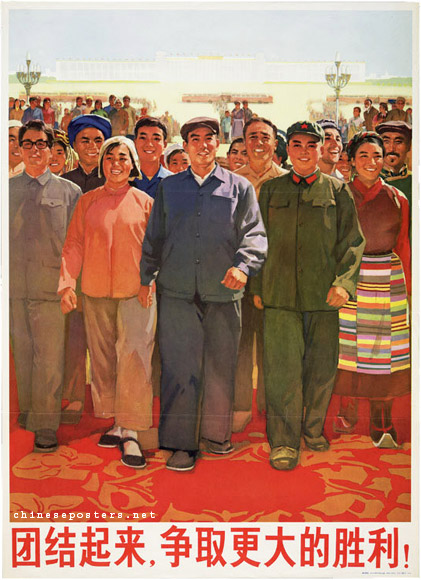
Iran’s religious revolution, by contrast, leaned on a much more exclusive framework: Shia Islam. While Islam has been historically central to Iranian governance, the 1979 revolution reduced national identity to an even narrower religious lens. The Ayatollah’s message was clear: a true Iranian was a Muslim, ideally a devout, conservative one. Universities were closed and then reopened with “Islamified” curricula and new entrance exams favored religious background over merit. Women’s rights were restricted.. Propaganda posters were full of dark, vilifying images of the evils of the West, secularism, and minority groups.
When ideology is defined by exclusion and who doesn’t belong, it fractures easily. While China’s revolution invited the masses to serve the revolution and the people, Iran’s filtered them. The Red Guard in China grew to an 11-million-strong youth movement. Iran’s closest comparable counterpart, the Basij, never reached such a scale or emotional influence, only functioning as a policing tool and never a cultural engine to drive the revolution. China’s revolution left a strong, central government while Iran remained divided with youth uprisings continuing to this day.