
Introduction:
As mentioned in the previous blog, homeopathy is a very controversial alternative treatment. Different perspectives each have convincing claims about its efficacy. This blog will analyze the claims of each perspective and end with a tentative conclusion on which one is most likely to be the correct one.
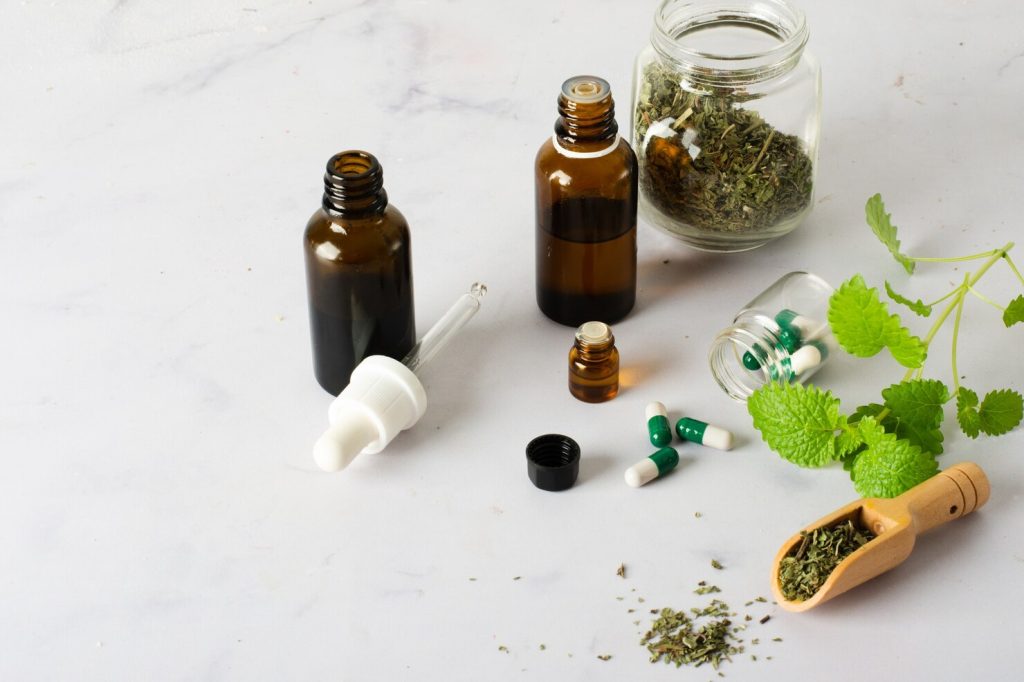
Homeopathy is real and works
I am using the National Center for Homeopathy’s website as an example of some claims made by proponents of homeopathy. The website says that it is “a gentle and natural healing system that works with the body to relieve symptoms, restore vitality, and improve overall health” (“Quotable Homeopathic Research | National Center for Homeopathy”) using a rule called the “law of similars,” meaning that like cures like. The site also says homeopathy works by giving the minimum dose, allowing the patient’s own body to recover mostly on its own. The website also has a section providing evidence of its efficacy, but there are mostly testimonies and statements about studies on homeopathy being published. There are no specific studies given with concrete evidence listed on the website.
Analysis
This website seems to be a reliable source because it is for a national center and ends with a “.org,” which generally means it is reputable. Even so, the statement it carries that homeopathy can work with the body naturally to improve health is a big claim that needs substantial evidence in order to be believable. The website provides many testimonies, but they are anecdotal and subjective. They are easily biased and also do not eliminate placebo effect as an explanation for the successes. Since testimonies can not be measured as real data, it is unreliable evidence.
Homeopathy is pseudoscience
For the other side of the argument, I am using an article on Homeopathy from the National Library of Medicine. After giving a brief history and explanation of homeopathy, the article states that “the almost unanimous view of the scientific community is that the basic assumptions on which homeopathy rests are either refuted or implausible.” (Grams) Some explanations offered are that people tend to connect barely related concepts together- for example kidney beans used to be believed to cure kidney diseases. In addition, it says that the original development of the treatments were tested on healthy people, and the logic behind it was that since substances caused certain symptoms in healthy individuals, they would cure them in patients. Lastly, it states that homeopathy is highly based on spiritual beliefs that are outside of science, but they contradict widely accepted scientific principles. This article also provides studies that disprove homeopathy.
Analysis
This article comes from an official website of the United States government. It also uses specific studies as evidence to back its argument. It provides counterarguments to its claims and then refutes them. It also uses already known facts, such as the one that people naturally connect things to each other, to make its conclusions instead of using its own claims as backing for more claims.
Conclusion:
The first website displays a few signs of pseudoscience. For example, instead of attempting to falsify its own claims until they are proved true, it uses the claims as ‘evidence’ for more. In addition, it uses too much anecdotal evidence even though it holds no real weight. The second website does not have these indications of pseudoscience. In fact, it uses critical reasoning to argue against pseudoscience. By looking at these two websites as representatives for both sides of the argument on homeopathy, the second one seems to be true. Even so, there is always a chance that there are supernatural aspects to homeopathy. But this would take an immense amount of scientific research to prove, so until then, it’s most likely that homeopathy just works on placebo effect.
Grams, Natalie. “Homeopathy—Where Is the Science?” EMBO Reports, vol. 20, no. 3, 14 Feb. 2019, https://doi.org/10.15252/embr.201947761.
“Quotable Homeopathic Research | National Center for Homeopathy.” National Center for Homeopathy (NCH), homeopathycenter.org/homeopathy-faqs/.